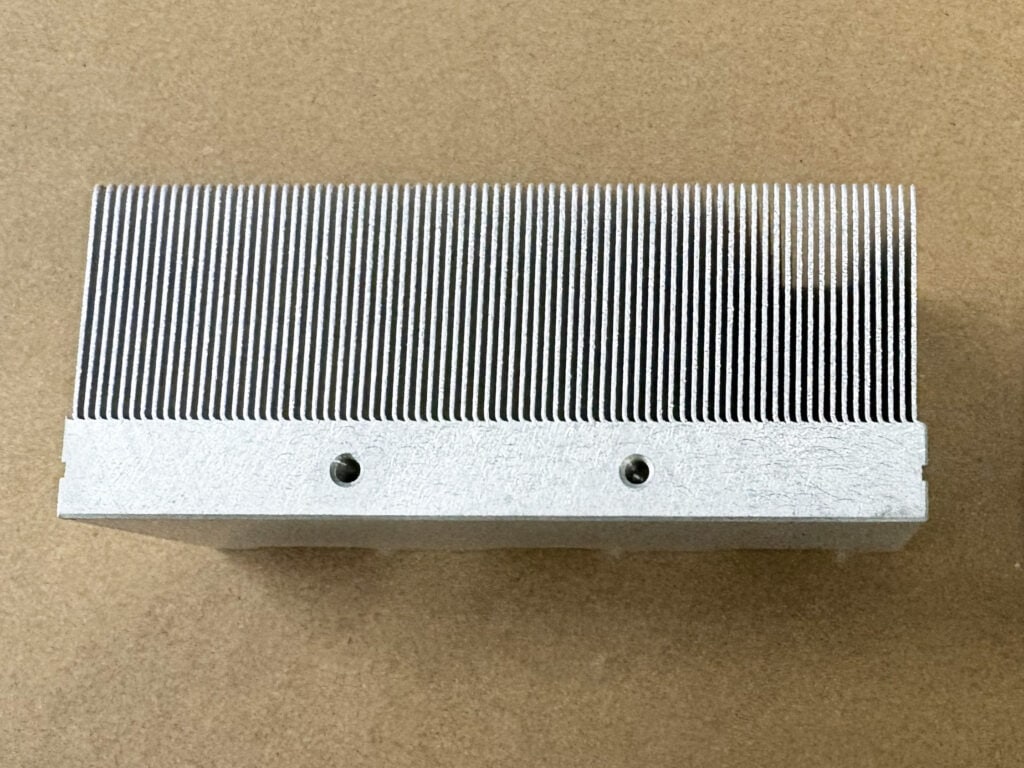
High-density fins, one-piece aluminum and copper heat sinks for systems that require efficient heat dissipation.
A skived heat sink is produced by cutting and lifting thin layers from a solid aluminum or copper block. Each fin remains mechanically and thermally connected to the base, creating a continuous one-piece heat path without epoxy, solder, or brazed joints between the fins and base.
The skiving process can create thinner fins and tighter spacing than many conventional extrusion designs. This increases heat-transfer surface area inside a compact envelope and makes skived fin heat sinks especially useful for high-power electronics, space-limited assemblies, and forced-air cooling. Aluminum offers a strong balance of performance, weight, and cost, while copper provides higher thermal conductivity for demanding heat-spreading requirements.
One-Piece Construction
Fins and base remain part of the same metal block, avoiding a bonded fin-to-base interface.
High Fin Density
Thin plate fins increase surface area where the available cooling envelope is limited.
Aluminum or Copper
Choose lower weight and cost with aluminum, or stronger heat spreading with copper.
Low Initial Tooling
Many custom skived designs can be developed without a dedicated extrusion die.
Secondary Machining
Add holes, threads, pockets, steps, mounting faces, and local fin removal after skiving.
System Integration
Combine the heat sink with fans, shrouds, heat pipes, vapor chambers, brackets, and TIMs.
Skiving is a strong choice when an extruded profile cannot provide enough fin density, when copper is required, or when a custom design must be developed without investing in a dedicated extrusion die. It is also useful for low-to-medium production volumes, obsolete-profile replacement, and projects with strict space or thermal limits.
Skiving is not automatically the best process for every design. Simple aluminum profiles and high-volume programs may be more economical as extrusions. Very large assemblies may favor bonded-fin construction, while extreme heat loads may require heat pipes, vapor chambers, or liquid cooling. Our team can review your heat load, airflow, available space, mounting method, quantity, and target cost before recommending the most practical process.
High-density skived fins are often considered for compact power-module cooling, but fin density is only one part of the thermal design. Our IGBT heat sink guide explains the other factors that should be evaluated before selecting the structure.
| Process | Best Fit | Main Consideration |
|---|---|---|
| Extruded | Repeat aluminum profiles and volume production | Fin geometry is limited by extrusion feasibility |
| Skived | Thin, dense fins; aluminum or copper; custom high-performance air cooling | Higher unit cost than simple extrusions; delicate fins require careful handling |
| Bonded Fin | Very large bases, tall fins, and large assemblies | Requires a controlled joining process between fins and base |
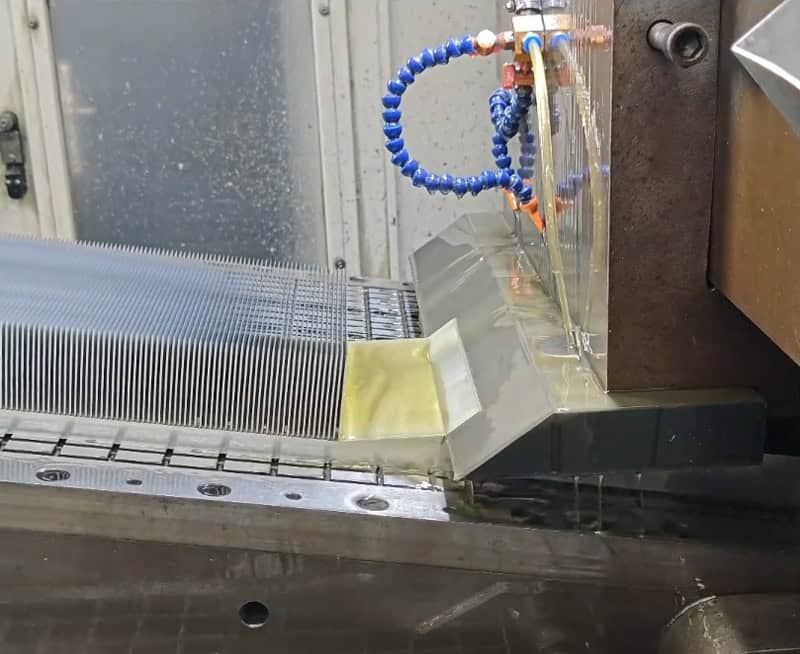
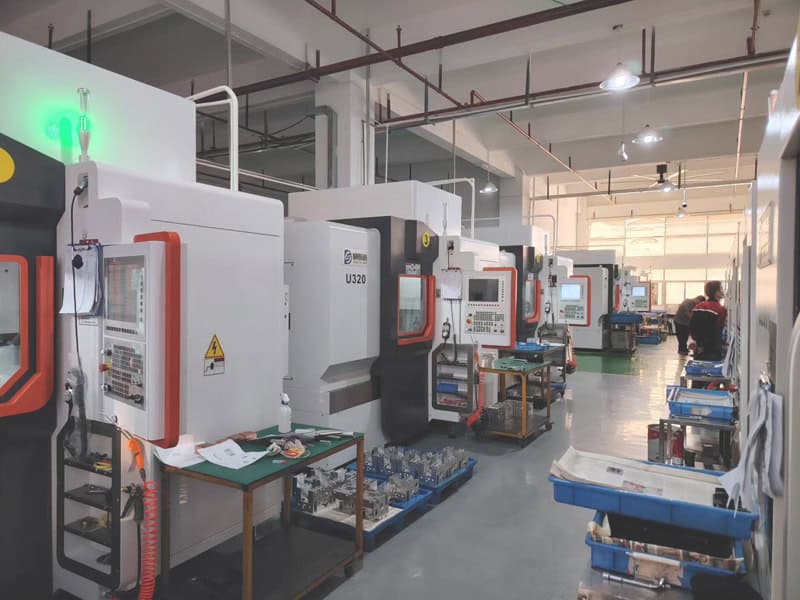
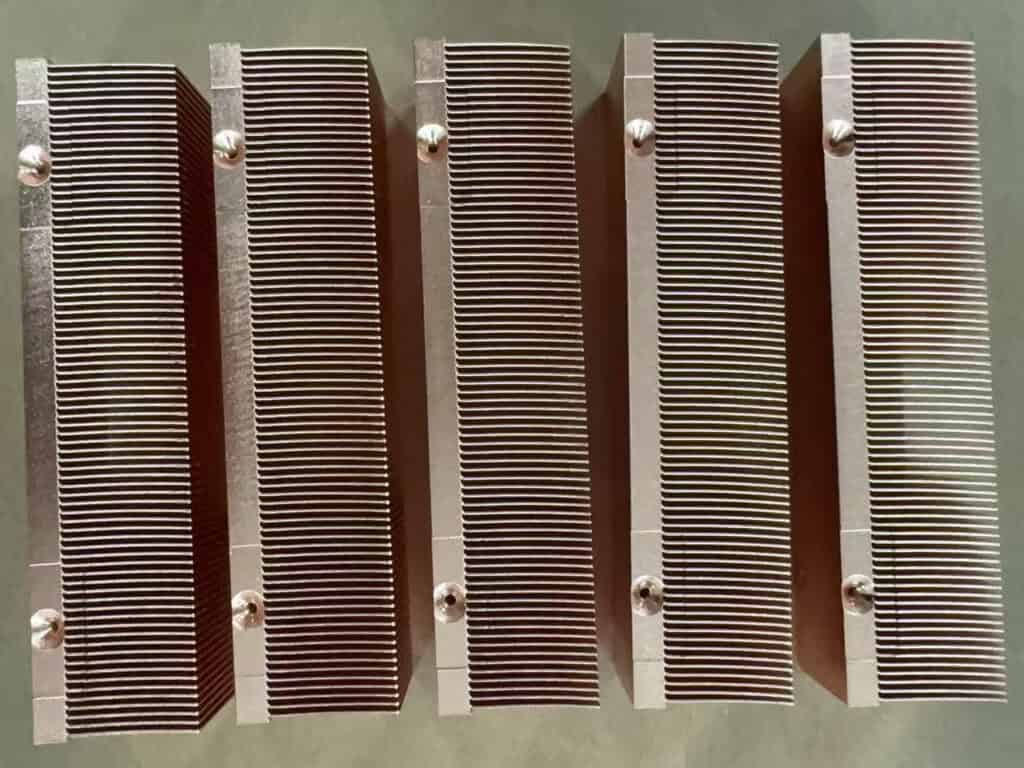
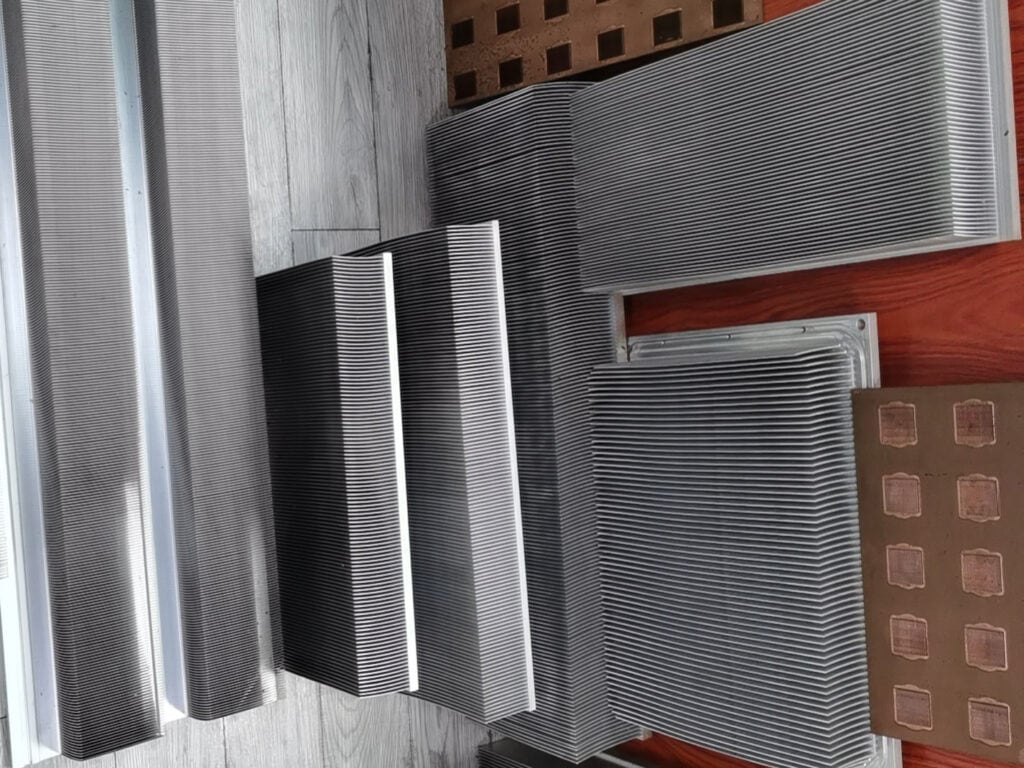
XINXIANG manufactures custom skived heat sinks from customer drawings or application requirements. After design review, we select a practical material and fin geometry, confirm manufacturing feasibility, and plan any secondary machining, finishing, inspection, and assembly operations.
Material Options
High-conductivity aluminum grades and C110 copper, selected according to thermal performance, weight, strength, finish, and cost.
Fin Design
Straight plate fins with custom height, thickness, spacing, flow length, and local fin removal where required.
CNC Machining
Cut-to-length, milling, drilling, tapping, pockets, stepped bases, mounting holes, slots, and interface-surface machining.
Surface Finishing
Clear or black anodizing for aluminum; Anti-oxidation treatment or nickel plating for copper; Other finishes by specification.
Assembly Support
Fans, shrouds, brackets, fasteners, heat pipes, vapor chambers, and thermal interface materials can be integrated when required.
Quality Control
Material verification, first-article inspection, dimensional checks, base-flatness inspection, finish inspection, and protective export packaging.
Application Review
Send us your drawing, heat load, maximum temperature, airflow, available space, material preference, quantity, and finish requirement.
Design and DFM
We review fin density, airflow resistance, base spreading, mounting, tolerances, and machining access.
Prototype & Production
Produce samples for dimensional, assembly, and thermal evaluation. Then complete volume production under controlled work instructions once we receive your confirmation.
Inspection and Delivery
Inspect the parts, protect the fins from damage, pack for export, and ship worldwide.
With more than 20 years of heat sink manufacturing experience, XINXIANG supports international OEMs and industrial buyers from early design review through repeat production. Our 6,000 m² facility combines multiple thermal manufacturing processes with CNC machining, finishing, inspection, assembly, and export packaging.
From a solid block to a production-ready cooling solution. We will be your trusted and reliable partner.
These values represent typical design ranges. Final dimensions depend on the material, fin geometry, machining features, thermal requirements, and manufacturing feasibility. Please send us your drawing for a detailed review.
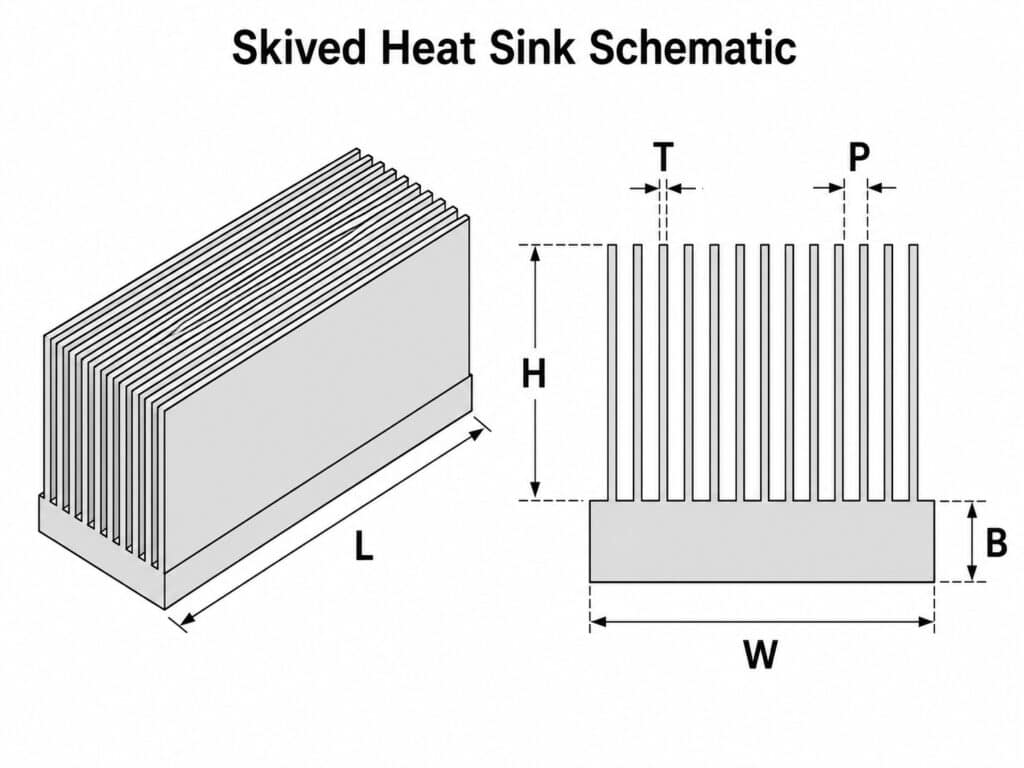
High-conductivity aluminum; C110 copper
10-650 mm aluminum; 10-350 mm copper, subject to design
Commonly 30-500 mm; wider structures require project review
Approximately 5-130 mm aluminum; 5-80 mm copper
Approximately 0.2-1.2 mm typical; special designs may be thinner or thicker
Approximately 0.4-5.0 mm typical, selected for airflow and pressure-drop requirements
Approximately 3-30 mm
Straight plate fins; local fin removal, stepped zones, and machined mounting areas available
As-machined, Clear or black anodizing for aluminum; Anti-oxidation treatment or nickel plating for copper
Drawing-specific; critical dimensions and base flatness are agreed during DFM review
Usually within 24 hours. Just send us your drawing or basic specs — the more info you share, the faster we can quote accurately.
An extruded heat sink is formed by pushing heated aluminum through a die. A skived heat sink is cut from a solid block by lifting thin fins from the base. Skiving can provide denser fins and copper construction, while extrusion is often more economical for repeat aluminum profiles and high volumes.
Yes, but the fin spacing must be designed for low-resistance airflow. Very dense fin arrays are normally better suited to forced-air cooling.
For more detail on matching fin density to natural or forced airflow, see our heat sink fin spacing guide.
Yes. We can add holes, threads, slots, pockets, stepped areas, and interface surfaces after skiving, subject to drawing review.
Yes. Skiving is often suitable for prototypes and low-to-medium quantities because many designs do not require a dedicated extrusion die. MOQ and lead time are confirmed after reviewing the part.
Yes. Send us the heat load, available space, airflow, mounting requirements, material preference, and expected quantity. Our team can help define a manufacturable concept.
Yes. Available services include aluminum anodizing, copper anti-oxidation or nickel plating, CNC machining, fan and bracket assembly, and protective packaging.
We select suitable packaging according to the part size, fin density, quantity, and shipping method. Options may include protective trays, cartons, pallets, or wooden crates.
Dense or delicate fins are protected with suitable separators, trays, or custom supports to reduce the risk of damage during transportation.
We can also follow your specified packaging requirements.
Yes, we can. We work with several reliable freight forwarders and can arrange door-to-door shipping to most countries — just let us know your delivery address.
We can also use your freight forwarder if you have one.
Send your drawing or application requirements to XINXIANG. We will review the geometry, material, airflow, machining, quantity, and finish, then recommend a practical skived heat sink manufacturing plan.
You can also contact our team at sales@heat-sinks.com
Send us your drawing or project requirements. Our team will review your request and typically respond within 24 hours.
You can also email us directly at sales@heat-sinks.com